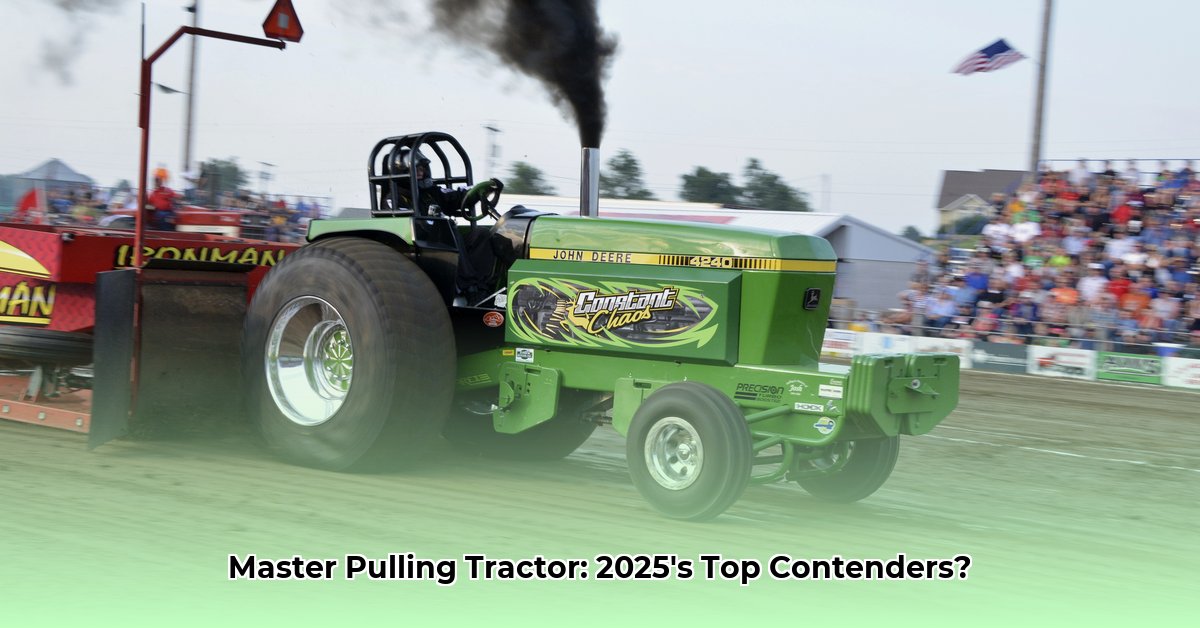
Pulling Tractor Classes: A Deep Dive into the Heavyweight Champs
Tractor pulling isn't your grandfather's farming; it's a high-octane motorsport showcasing incredible engineering and impressive driving skill. This guide explores the exciting world of pulling tractor classes, detailing the unique characteristics of each class. From the precise control demanded in the lighter classes to the sheer brute power of the heavier weights, we'll examine the factors that define success in this thrilling competition. Are you ready to delve into the horsepower and high-stakes world of tractor pulling? For more on toy pulling tractors, check out this site.
The Weight Classes: More Than Just a Number
Think of weight classes as divisions in other sports – each presents unique challenges and rewards. Lighter classes require precise control; heavier classes demand raw power. Specific weight limits vary slightly depending on the sanctioning body (like the NTPA), but the basic categories remain consistent:
Lightweight: These tractors are optimized for nimble handling and precise control, often using modified agricultural engines with focused modifications for increased efficiency. Think of them as finely-tuned sports cars in the tractor world. What innovative engine modifications dominate this class, maximizing efficiency without sacrificing speed?
Modified: This class introduces significant power increases. Turbochargers and superchargers become common, pushing horsepower significantly higher. These tractors demonstrate a balance between power and control, similar to a powerful muscle car. How do modifications in this class differ from Lightweight, and what are the key performance trade-offs?
Super Stock: This category represents a significant power leap. Expect extensive modifications and custom parts, pushing the limits of conventional engine designs. What innovative engine designs become prevalent in the Super Stock class, and how is this related to the increased power output?
Super Farm: These are heavily modified agricultural tractors, showcasing the ultimate in raw power extracted from a still-recognizable farm tractor platform. Modifications are extensive, often pushing the boundaries of what's possible. How do Super Farm tractors differ from Modified tractors in terms of both engine and chassis modifications?
Pro Stock: This top tier features highly specialized tractors often custom-built from the ground up, not merely modified standard tractors. They represent the pinnacle of engineering and pushing the absolute boundaries of power and performance. What technological advancements are frequently seen in Pro Stock tractors, and how do they contribute to the phenomenal power outputs?
Under the Hood: Engines, Modifications, and the Power Quest
Each class allows different modifications, drastically impacting performance. It’s not just about larger engines; it's about clever engineering and innovative technology.
| Pulling Tractor Class | Engine Types | Allowed Modifications | Typical Performance |
|---|---|---|---|
| Lightweight | Modified agricultural engines | Carburetion, ignition, minor tweaks | Shorter pulls, high maneuverability |
| Modified | Larger, modified agricultural/industrial engines | Turbochargers, superchargers, fuel injection upgrades | Longer pulls, increased speed and power |
| Super Stock | High-performance agricultural/industrial engines | Extensive engine modifications, high-performance parts | Extremely long pulls, very high power output |
| Super Farm | Highly modified agricultural engines | Extensive modifications | Maximum power from a modified agricultural base |
| Pro Stock | Custom-built high-performance engines | Extreme, near-limit modifications | Extreme power and very long pulls; cutting-edge tech |
A Lightweight tractor is like a nimble sports car, while a Pro Stock machine is a purpose-built dragster—a testament to the diverse strategies within the sport.
The Pulling Sled: More Than Just Weight
The pulling sled is a finely engineered device, not just a static weight. Its internal mechanism precisely measures the distance pulled, influencing competition outcomes. Its design, weight distribution, and tire interaction all impact results. Understanding the sled is crucial to appreciating tractor pulling.
Competition Rules: Fairness and Safety
Sanctioning bodies like the NTPA establish strict rules to ensure fairness and safety for competitors and spectators. While minor variations exist between organizations, all prioritize consistent competition and safety.
The Future of Tractor Pulling: Innovation on the Horizon
Future advancements will likely include environmentally friendly fuels, improved traction technology, and potentially hybrid systems. The challenge lies in balancing tradition with innovation. Continued research in materials science and engine technology promises to yield even more powerful and efficient pulling tractors.
In conclusion, tractor pulling classes represent a fascinating blend of power, skill, and engineering ingenuity. Understanding these nuances deepens appreciation for this thrilling sport, showcasing both raw power and precise control.